
What Reconnecting With Indigenous Culture Really Looks Like
When you hear the word reconnecting, what comes to mind?
Maybe it's speaking your people's language without hesitation. Maybe it's attending ceremonies and knowing exactly what to do. Maybe it's knowing your family history and stories. Maybe it's being able to tell the creation stories and teachings of your people.
Okay, let's be real. That can feel super overwhelming.
How do we even start? And once we do all of those things, does that mean we're "connected" now? Does that mean we're enough?
Reconnection is not about becoming someone new. It's about becoming more of yourself. Reconnection is about building and tending relationships with yourself, your community, your ancestors, and your culture over time.
Indigenous peoples all over have histories marked by loss, displacement, and attempts to erase who we are. I could go into detail about how this happened through boarding schools, the Indian Removal Act, laws against practicing Indigenous traditions, the removal of Indigenous children from their families, relocation, and displacement. But that isn't the point of this piece today. Maybe that's something I'll write more about another time.
The point is that many Native people have experienced disconnection from their tribe, community, language, and culture. That can leave us searching for belonging and wanting to know more about where we come from. But how do we do that when it feels like we can't or aren't allowed to?
Reconnection Often Starts with Curiosity
Asking Questions
When we first start reconnecting, we usually have a lot of questions.
Where does my family come from?
Who are my relatives?
What stories was I never told?
What traditions did my family carry forward?
What traditions weren't carried forward?
Allow yourself to be curious.
If you have family members who are knowledgeable, and it feels appropriate, ask questions. Listen to what they have to say. And when an Elder is sharing teachings or cultural knowledge, listen. Pay attention. Many of them have carried a lot.
If you know very little, start with what interests you most. Maybe that's books, art, music, traditional foods, language, or history. If you live near a community, maybe that means attending events and getting involved.
Being curious about your lineage and community is a lifelong process. You don't have to learn everything at once. Start where you feel most comfortable.
Reconnection Can Bring Up Grief
When we reconnect, it can bring up a lot of mixed feelings. Maybe you feel grateful and excited, but also a deep sense of grief. Maybe you're watching Reservation Dogs and suddenly you're crying, wondering why it's hitting so hard.
Give yourself grace during this process. You are allowed to grieve the things you missed out on. That might be language, traditions, family connections, ceremonies, or cultural knowledge that seems obvious to everyone else.
At the same time, it's possible to hold joy and grief together. We can celebrate reconnecting while also acknowledging why disconnection happened in the first place.
Reconnection Doesn't Have to Look a Certain Way
I think a common misconception is that reconnecting as an Indigenous person has to look a certain way. There is no "right" or "wrong" way to reconnect. There is no universal path where we follow a set of steps and then someday wake up and realize, "I'm done! I'm reconnected! No more learning or work to do."
Reconnecting to culture looks different for everyone, especially when we take into account what is accessible to you. Maybe you live far away from your tribe's reservation or community. Maybe you have a mixed-race identity. Maybe you didn't even know you were Indigenous until later in life and are now finding your way back home.
Your journey is yours. Comparing it to someone else's is a disservice to yourself and your healing.
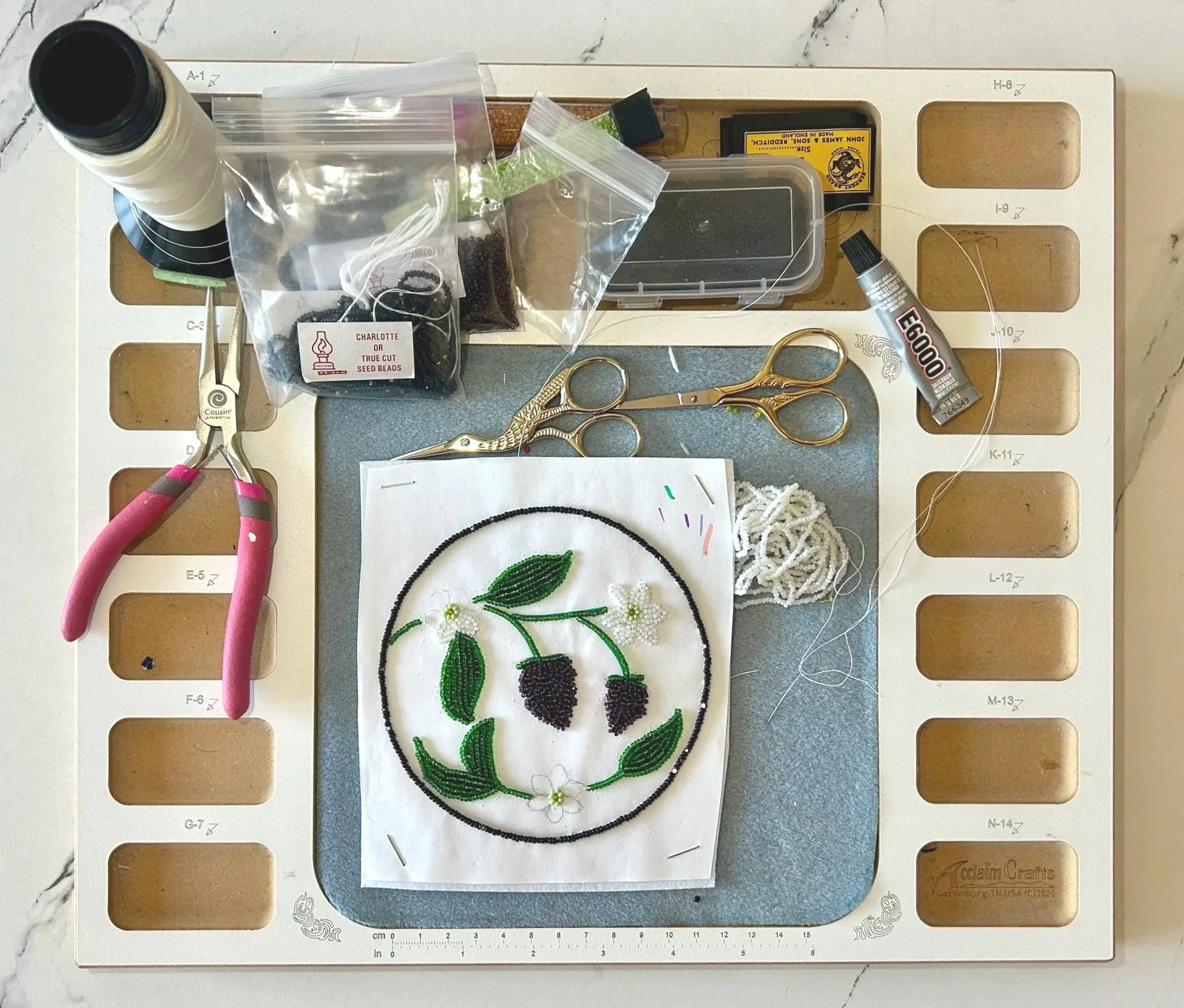
Reconnecting doesn't mean learning everything in one night. It can be as simple as listening to your parents or grandparents talk about their experiences and stories. It can be supporting Indigenous artists by listening to their music, reading their literature, or buying beadwork. Maybe you learn one traditional food recipe (frybread doesn't count).
One of the simplest and most accessible forms of reconnection is spending time in nature. Go outside. Listen. Pay attention to what is happening around you without judgment. Notice the plants. What does the sun feel like? Maybe it's cloudy. What animals do you sense around you? Maybe you can hear birds chirping in the trees or squirrels chittering nearby.
Being in relationship with the land is one of the easiest ways to reconnect without putting pressure on yourself to do it perfectly.
Reconnection Happens Through Relationships
In my work as a therapist, I believe healing happens through our connections and relationships with others. Humans are social beings at our core, and growth often happens in relationships. When reconnecting to culture, those relationships matter. They can be with our tribal community, our ancestors, and ourselves.
Building relationships with the community doesn't have to be as overwhelming as it sounds. We don't have to know everyone or know everyone's clan. We just have to be open to meeting people and learning from others.
If you live within your tribal community, this might mean attending community events or taking a language course through the tribe. While you're there, be open to conversation and connection. You don't have to be an extrovert.
Maybe your tribe hosts virtual events. For many people, that can feel safer. You get to remain in your own space while still building connections with others.
If you don't live in your tribal community, it's a good thing technology exists. Connect with others on social media. If you live in an urban area, see if there is an American Indian or Native American center nearby. Most larger cities have some type of Indigenous community organization. Reach out, see what events they're hosting, and attend if you're able.
You might meet people who have experiences similar to yours. You might even meet someone from the same tribe.
Start building a relationship with your ancestors, too. This can be as minimal or as elaborate as you want it to be.
When we tend to our relationship with our ancestors, we carry their teachings forward. We honor their wisdom and remember them with love and respect.
Even if you don't know your ancestors personally, you don't have to know their faces to know they came before you. Sometimes that relationship begins with simple acknowledgment.
If you do know your ancestors or direct relatives, maybe that relationship looks different. Maybe you wear your grandmother's jewelry and feel connected to her when you do. Maybe you make a meal that was your parent's favorite and take a moment to remember them before you eat.
When we honor our ancestors, we honor everything they carried and everything they made possible for us.
And don't forget to tend to your relationship with yourself.
This might sound cheesy, but self-care can be a form of reconnection. Explore your identity. Write about what being Indigenous means to you. Talk to a therapist who understands Indigenous culture and reconnection.
Find ways to let go of the shame that can come with reconnecting and feeling like you're not enough. Many people carry feelings of inadequacy when they reconnect, especially if they feel like they don't know enough or didn't grow up with certain teachings.
Remind yourself that your worth is not measured by how much you know. Surround yourself with people who support you and accept all parts of who you are.
Reconnection Can Feel Messy
Reconnecting doesn't always feel good.
A lot of difficult feelings can surface. You might feel like an imposter because you don't know everything about your roots. You might be afraid of saying the wrong thing or getting something wrong.
Stop.
You probably will get something wrong at some point. That's part of being human.
This process can bring up shame, uncertainty, and vulnerability. It asks us to be open to learning, growing, and exploring parts of ourselves that may have been hidden or neglected for a long time.
Give yourself permission to learn. Give yourself permission to rest.
Reconnecting is a looooong process.
And there won't be a test at the end because there won't be an end.
Reconnection Is About the Future, Too
When I say there won't be an end, I mean that Indigenous cultures are always evolving and adapting.
Contrary to what many of us learned in school, Native people are not extinct or frozen in the past. Indigenous cultures are thriving. They are living, changing, and growing.
With change comes new opportunities to learn. Reconnection is really a lifelong practice of staying open and continuing to learn more.
In the future, this might look like teaching younger generations what you've learned, building community networks, or supporting Indigenous futures in whatever ways you can.
The future is Indigenous, and we will always be here, just as we always have been.
There is no finish line. There is no final exam.
Reconnecting is an act of remembering. It is a refusal to be forgotten. It is choosing to build a path forward for future generations.
You're in this for the long run.
If you want support during your reconnection journey, you are welcome to reach out. Therapy can be a space to explore your identity, navigate complicated emotions, reconnect with your values, and process the experiences that come up along the way. If you’d like to learn more, you can schedule a consultation through my Get in Touch page.
